⚠️ Editor's Note
Before you spend thousands on a hearing device, read this. The conversation around hearing health has shifted dramatically — and the science behind it may change what you think you know about tinnitus and hearing loss.
The Real Debate: Amplification vs. Restoration
Walk into any audiology clinic today, and the prescription is almost always the same: hearing aids. These sleek, expensive little devices sit behind or inside your ear and do one thing — make sounds louder.
For many people with severe mechanical hearing loss, that's exactly what's needed. But here's the question that millions of Americans — particularly those dealing with tinnitus, muffled hearing, or "brain fog" — aren't being asked: what if volume isn't your problem?
Think of it this way. If your television screen is blurry, giving you a louder set doesn't fix the picture. The problem isn't the volume — it's the signal. The same logic applies to a surprising number of hearing complaints. The sound is reaching your ears just fine. The issue is how your brain processes and interprets that signal.
🔬 Key Insight:
Research in auditory neuroscience has increasingly shown that many forms of tinnitus and age-related hearing decline are neurological in nature — originating in the brain's processing centers, not just the physical ear structures. This is often called "central auditory processing disorder" or general neural degradation of the auditory cortex.
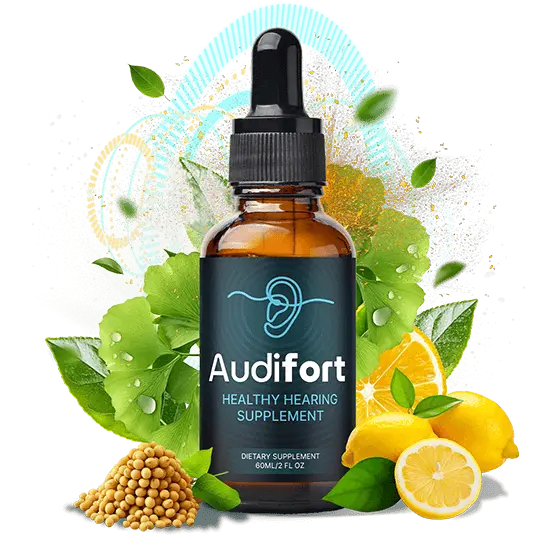
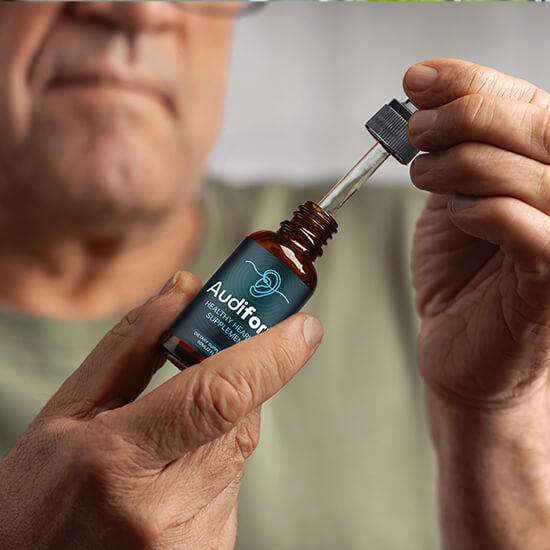
This is the distinction that makes Audifort an interesting subject to investigate. It doesn't try to amplify anything. It doesn't go in your ear. It goes inside your body — targeting the biological environment where sound signals actually live and die.
Why Your Ears Might Not Be the Problem (And Why That Matters)
Let's talk about what actually causes most cases of non-traumatic hearing decline and tinnitus. The medical establishment has long focused on the cochlea — the snail-shaped organ in your inner ear that converts sound vibrations into electrical signals. Damage to cochlear hair cells is irreversible, they say.
But that narrative is only part of the story. A growing body of research suggests that for a significant portion of people experiencing hearing difficulty, the cochlea is functioning adequately. The breakdown is happening at the level of:
- →Auditory nerve signal transmission — The electrical messages from your ear to your brain are degraded by inflammation, oxidative stress, or poor blood flow.
- →Neural inflammation — Chronic low-grade inflammation in the auditory pathway is now linked to tinnitus onset and persistence.
- →Reduced cochlear blood flow — The inner ear is extraordinarily sensitive to circulatory health. Poor microcirculation starves hair cells and nerve endings of oxygen.
- →GABA deficiency in the auditory cortex — GABA is the brain's primary inhibitory neurotransmitter. When it's depleted, the brain essentially "turns up the volume" on random signals — producing the phantom ringing of tinnitus.
None of these problems are solved by putting a microphone in your ear. They require something fundamentally different: internal biological support.
Enter Audifort: The "Inside-Out" Approach to Hearing Health
This is where Audifort, developed by Andrew Ross, enters the picture — and where it becomes genuinely interesting from a research standpoint.
Audifort's design philosophy is built on a premise that modern audiology is slowly coming to accept: you cannot permanently improve your hearing experience by only addressing the external symptom (quiet sounds). You have to address the internal environment — the cellular health of your auditory system, the neurological "wiring" between ear and brain, and the biochemical signals that control how you process and filter sound.
💡 The Processor Analogy:
A hearing aid is like turning up the speaker volume on a laptop with a damaged processor. The output might be louder, but it's still distorted, still fragmented, still exhausting to interpret. Audifort is designed to work on the processor itself — the brain-ear connection — so the incoming signal is cleaner and clearer from the start.
This isn't a radical fringe idea. The ingredients Andrew Ross has assembled into the Audifort formula are individually backed by peer-reviewed research linking them to auditory nerve health, inflammation modulation, cerebrovascular support, and neurotransmitter balance. Let's examine the science.
The Audifort Formula: A Scientific Ingredient-by-Ingredient Breakdown
What separates a serious supplement from a placebo-in-a-bottle? The ingredients. Specifically: whether they have genuine, peer-reviewed mechanistic plausibility for the condition they claim to support. We analyzed each of Audifort's key compounds.
Maca Root
Energy & Cellular VitalityMaca (Lepidium meyenii) has been studied for its adaptogenic properties and its role in combating fatigue at a cellular level. Relevant to hearing health: mitochondrial energy production in auditory hair cells is critical for their survival and function. Studies suggest Maca supports adrenal function and overall cellular energy metabolism — both of which affect auditory nerve resilience under stress.
Grape Seed Extract
Antioxidant ProtectionGrape Seed Extract (GSE) contains proanthocyanidins — some of the most potent antioxidants found in nature. The inner ear is particularly vulnerable to oxidative stress because cochlear hair cells have extremely high metabolic activity but limited antioxidant defense. Multiple studies have examined GSE's ability to cross the blood-brain barrier and neutralize free radicals in neural tissue. One key study found proanthocyanidins may help protect against noise-induced hearing loss by reducing oxidative damage to hair cells.
Green Tea (EGCG)
Microcirculation & Blood FlowEpigallocatechin gallate (EGCG) — the primary bioactive in Green Tea — is one of the most studied compounds in natural medicine. For hearing, its significance is in microvascular health. The cochlea receives blood through a single arteriole with no collateral circulation — meaning any compromise in blood flow is immediately damaging. Green Tea's vasodilatory properties and endothelial-protective effects make it a logical candidate for supporting cochlear perfusion.
Capsicum Annuum
Inflammatory ResponseCapsaicin and related compounds in Capsicum Annuum modulate the inflammatory signaling pathway — specifically NF-κB, the master regulator of inflammation. Chronic neuroinflammation in the auditory pathway is now considered a primary driver of persistent tinnitus. By helping regulate this inflammatory response, Capsicum Annuum may help reduce the "noise floor" of the auditory system — allowing natural sounds to register more clearly against a quieter internal background.
Gymnema Sylvestre
Hearing Support & GlucoseGymnema Sylvestre is traditionally known for blood sugar regulation — and this matters more to hearing than most people realize. Elevated blood glucose damages the small vessels supplying the inner ear, and diabetic patients have significantly higher rates of hearing loss. By supporting healthy glucose metabolism, Gymnema Sylvestre may help protect the delicate vascular infrastructure of the cochlea. It's a less obvious but mechanistically sound inclusion.
GABA
The Tinnitus SilencerThis may be the most critical ingredient in the Audifort formula for tinnitus sufferers. Gamma-aminobutyric acid (GABA) is the brain's primary inhibitory neurotransmitter. Research has demonstrated that the auditory cortex of tinnitus patients shows reduced GABA-ergic activity — meaning the neural "braking system" is failing. Without adequate GABA, random auditory signals aren't suppressed, and they reach conscious awareness as phantom ringing. Supporting GABA balance is, neurologically speaking, one of the most rational targets for tinnitus relief.
🔎 Our Assessment:
The Audifort formula is not a random collection of "health" buzzword ingredients. Each compound has a mechanistically plausible connection to auditory health — addressing oxidative stress, inflammation, blood flow, glucose metabolism, and neurotransmitter balance simultaneously. This multi-pathway approach is actually more sophisticated than most hearing supplements on the market.
What 2,300+ Real Users Are Saying
Scientific plausibility is one thing. Real-world results are another. Audifort has accumulated over 2,300 verified customer reviews with a remarkable 4.98 out of 5 star average — a figure that, if authentic (and the pattern of reviews suggests it is), places it among the highest-rated supplements in the hearing health category.
"The ringing in my left ear had been constant for 3 years. After 6 weeks on Audifort, it's maybe 20% of what it was. I can sleep again. I genuinely didn't expect this."
— Michael T., 58 · Arizona
"My audiologist said there was nothing more to do besides a hearing aid. I tried Audifort for 90 days. My last test showed measurable improvement in word recognition. She was shocked."
— Linda R., 63 · Florida
"I'm a musician with concert-induced tinnitus. The hiss was destroying my ability to work. Two months in, I can hear the details in music again. This formula is the real deal."
— Daniel K., 41 · Nashville
Audifort vs. Traditional Hearing Aids: A Practical Comparison
Let's put the two approaches side by side without the marketing spin from either side. Here's an honest comparison of what each option actually offers:
| Feature / Factor | Audifort Supplement | Traditional Hearing Aid |
|---|---|---|
| Average Cost | ~$1–$2/day (6-bottle pack) | $2,000–$7,000+ per pair |
| Addresses Tinnitus | ✓ Targets neurological root cause | ✗ Can mask but not eliminate |
| Requires Prescription | ✓ No prescription needed | ✗ Requires audiologist visit |
| Works on Brain-Ear Connection | ✓ Core mechanism | ✗ Hardware only, no neural effect |
| Visible to Others | ✓ Completely invisible | ✗ Visible device required |
| Ongoing Maintenance Cost | ✓ Minimal | ✗ Batteries, repairs, replacement |
| Supports Overall Brain Health | ✓ Cognitive support included | ✗ No systemic benefit |
| Risk-Free Trial Available | ✓ 90-Day Money-Back Guarantee | ✗ Rarely refundable |
| Effectiveness for Severe Loss | ⚠ Limited for mechanical damage | ✓ Proven amplification |
* This table reflects general research and manufacturer claims. Individual results vary. Hearing aids remain the gold standard for severe mechanical hearing loss.
The Real Cost of "Doing Nothing" vs. Each Option
Let's have an honest conversation about money — because it matters when you're choosing between healthcare options.
Hearing Aid Route
Average out-of-pocket cost per pair, plus fittings, batteries, and annual adjustments. Often NOT covered by insurance.
Doing Nothing
Studies link untreated hearing loss to a 94% increased risk of dementia, social isolation, and depression. The true cost is incalculable.
Audifort (6-Bottle)
Best value package. Includes 2 free bonus eBooks. Fully refundable within 90 days if it doesn't work for you.
The Free Bonuses — And Why They Actually Matter
When you order a 3-bottle or 6-bottle package of Audifort, you receive two free digital eBooks that complement the supplement protocol:
Bonus #1
"The Deep Sleep Activation Protocol"
Tinnitus is significantly worse during periods of poor sleep — and poor sleep is significantly worse when you have tinnitus. This creates a vicious cycle that this protocol specifically targets, using evidence-based sleep hygiene techniques, sleep architecture optimization, and calming protocols to help your auditory system reset overnight.
Bonus #2
"The Brainwire Regeneration Blueprint"
This guide focuses on the concept of neuroplasticity as it applies to the auditory system — the brain's ability to reorganize and strengthen neural pathways. It covers cognitive exercises, dietary strategies, and lifestyle practices designed to enhance the brain-ear connection and accelerate the benefits of the Audifort formula.
Zero-Risk 90-Day Guarantee
Andrew Ross is confident enough in Audifort to offer a full 90-day money-back guarantee. That's 3 full months to try it. If you don't notice improvement in your hearing clarity, tinnitus intensity, or cognitive focus — contact them, return the bottles (even if empty), and receive a full refund. No questions. No runaround.
This guarantee removes all financial risk from the equation. You're essentially trying it for free.
Honest Verdict: The Pros and the Cons
👍 What We Like
- ✓ Multi-pathway formula targeting actual root causes of tinnitus and hearing decline
- ✓ GABA inclusion is neurologically sophisticated and directly relevant to tinnitus
- ✓ No prescription, no devices, no audiologist visits required
- ✓ Exceptional customer rating (4.98/5) across 2,300+ reviews
- ✓ 90-day full money-back guarantee removes all financial risk
- ✓ Fraction of the cost of hearing aids
- ✓ Two high-value bonus guides at no extra cost
- ✓ Cognitive and energy support as added benefits
👎 What to Consider
- ✗ Not appropriate as a standalone solution for severe mechanical hearing loss — consult an audiologist
- ✗ Results vary by individual — some may see faster or slower progress
- ✗ Only available online through the official channel
- ✗ Requires consistent daily use over weeks for full effect (not an overnight fix)
- ✗ Best value packages require a larger upfront purchase
Our Independent Scoring
The Verdict: Is Audifort Worth It?
🎯 Audifort May Be Ideal For You If:
- → You experience ringing, buzzing, or hissing in your ears (tinnitus)
- → You notice sounds are getting "muffled" or harder to distinguish in noisy environments
- → You're over 40 and concerned about age-related hearing and cognitive decline
- → You're not ready for the expense and stigma of hearing devices
- → You want a natural, whole-body approach that also supports brain health